Showing posts with label crawler excavators. Show all posts

Tuesday, February 18, 2025

Ideal Used Excavator for Sale for Small Projects

 Finding the Ideal Used Excavator for Sale for Small Projects
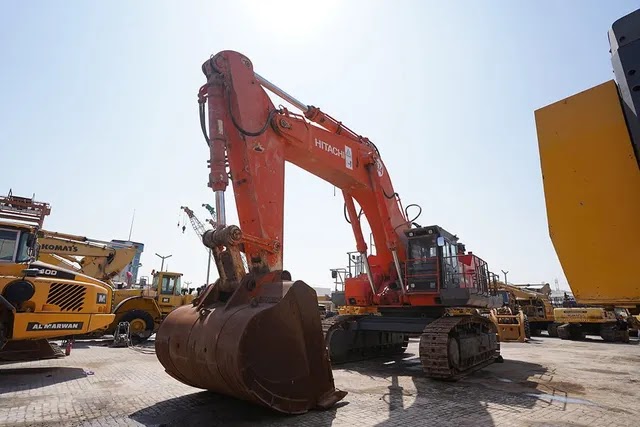

A Hitachi used excavator for sale from Al Marwan


When it comes to small construction, landscaping, or utility projects, having the right excavator can make all the difference. Buying a used excavator for sale is a smart investment that provides cost savings without sacrificing performance. However, choosing the right machine requires careful consideration of size, condition, capabilities, and budget.

In this guide, we'll break down everything you need to know before purchasing a used excavator for sale, ensuring you get the best value for your project.


Why Choose a Used Excavator for Small Projects?

Purchasing a used excavator is a budget-friendly solution for contractors, small business owners, and individuals who require reliable earthmoving equipment. Here are the main benefits:

  • Lower Cost – Used excavators are significantly cheaper than brand-new ones, allowing buyers to stretch their budget further.
  • Proven Reliability – A well-maintained excavator with a solid service history can perform just as efficiently as a new one.
  • Depreciation Savings – New machines lose value quickly, while used models retain more of their resale value over time.
  • Availability – Unlike new models that may have long wait times, used excavators are readily available.


Factors to Consider When Buying a Used Excavator for Sale

Choosing the right used excavator for sale depends on several key factors. Small-scale projects often require compact or mini excavators, but other considerations should also come into play.

1. Excavator Size and Weight

For small projects, a mini or compact excavator is the best choice. These machines typically range from 1 to 8 tons, making them ideal for:

  • Residential construction
  • Landscaping and trenching
  • Utility and pipeline work
  • Farm and rural projects
  • Indoor demolition and tight-space operations

Top Used Mini Excavators for Small Projects:

  • Kobelco SK55SRX-6
  • CAT 303E Mini Excavator
  • Komatsu PC78US-6E0
  • Yuchai YC18SR

These models offer the perfect balance of power and maneuverability for small-scale work.


2. Hydraulic Power and Attachments

The hydraulic system is the heart of any excavator. For small projects, ensure the machine has smooth hydraulic operation and supports attachments like:

  • Buckets (standard, trenching, grading)
  • Augers (for drilling holes)
  • Hydraulic hammers (for breaking concrete or rocks)
  • Thumbs (for material handling)

A used excavator for sale should have leak-free hydraulic lines and well-maintained cylinders. Always check for wear and tear in the hoses, pumps, and motors.


3. Condition and Maintenance History

When buying any used heavy equipment, inspection is critical. Here’s what to check before purchasing a used excavator:

  • Undercarriage Wear – Inspect the tracks, rollers, sprockets, and idlers.
  • Engine Condition – Look for excessive smoke, leaks, or odd noises.
  • Boom and Arm – Ensure no visible cracks, dents, or excessive play in the joints.
  • Hydraulics – Check for smooth operation and no fluid leaks.
  • Service Records – A well-documented maintenance history indicates proper care.

Buying from a trusted seller with a thorough inspection process guarantees a reliable used excavator for sale.


4. Brand and Model Reputation

Certain excavator brands have a strong reputation for durability, resale value, and reliability. When considering a used machine, these brands stand out for small projects:

  • Kobelco – Known for fuel efficiency and durability.
  • Caterpillar (CAT) – Offers powerful machines with advanced hydraulics.
  • Komatsu – Provides smooth operation and long-lasting components.
  • Yuchai – Affordable and effective for light-duty applications.

Reliable brands ensure higher resale value and easier access to parts and service.


5. Operating Hours

An excavator’s lifespan is measured in operating hours. Generally:

  • Less than 5,000 hours – Excellent condition with plenty of life left.
  • 5,000 - 10,000 hours – Still reliable with good maintenance.
  • Over 10,000 hours – High wear and may require expensive repairs.

A low-hour used excavator for sale is always a safer investment.

Where to Find a Reliable Used Excavator for Sale

Finding a trustworthy seller ensures a quality used excavator. Consider the following options:

Reputable Machinery Dealers

  • Certified sellers provide fully inspected and serviced excavators.
  • Example: Al Marwan Heavy Machinery offers high-quality used excavators.

Online Machinery Marketplaces

  • Sites specializing in heavy equipment sales feature listings from dealers and private sellers.

Heavy Equipment Auctions

  • Auctions offer competitive prices but require careful pre-bidding inspections.

Local Construction Companies

  • Some firms sell their well-maintained fleet equipment after project completion.


Best Practices for Buying a Used Excavator

Before finalizing a purchase, follow these steps:

Set a Budget – Consider both upfront costs and future maintenance expenses.
Request Inspection Reports – Avoid surprises by getting detailed condition assessments.
Test the Machine – Operate the excavator to check for smooth controls and responsiveness.
Compare Prices – Research similar listings to ensure a fair deal.
Negotiate the Best Price – Sellers may offer discounts or include attachments to sweeten the deal.

The Right Investment

A used excavator for sale is a smart investment for small projects, offering cost savings, efficiency, and reliability. Whether you need a mini excavator for landscaping, trenching, or demolition, choosing the right size, brand, and condition ensures optimal performance.

By following this guide, you’ll be well-prepared to find the ideal used excavator that meets your project’s needs without breaking the bank.

Sunday, February 16, 2025

How Heavy Equipment Rental Works

A rigid dump truck one of the popular heavy equipment rental options


For many construction companies, heavy equipment rental is the best way to access top-tier machinery without the massive upfront costs of buying new equipment. Whether you need an excavator for a short-term project or a fleet of bulldozers for months, renting offers flexibility, affordability, and reduced maintenance concerns. But how does the process work? Let's break it down step by step.

Why Choose Heavy Equipment Rental?

Cost-Effective Solution

Buying construction equipment comes with high upfront costs, insurance, and maintenance expenses. Renting eliminates these burdens and allows companies to allocate their budgets more effectively.

Access to the Latest Models

Rental companies offer modern, well-maintained equipment with the latest technology and fuel efficiency, helping you stay competitive without making a long-term investment.

Flexibility for Different Projects

Not all projects require the same machines. Renting gives contractors the ability to choose different equipment as needed, ensuring they always have the right tool for the job.

Maintenance and Repairs Included

Most heavy equipment rental providers include routine maintenance and repairs in the rental package, saving you time and money.

How the Heavy Equipment Rental Process Works

Step 1: Identifying Your Equipment Needs

Before renting, determine:

  • What type of equipment you need (e.g., excavators, bulldozers, loaders, cranes).
  • The duration of your project.
  • The job site conditions (terrain, weather, etc.).
  • Specific features required, such as GPS tracking, telematics, or hybrid options.

Step 2: Finding a Reliable Rental Provider

Look for a rental company with:

  • A wide selection of heavy equipment rental options.
  • Transparent pricing and flexible rental terms.
  • Well-maintained and inspected machinery.
  • Strong customer support and maintenance services.

Step 3: Choosing Rental Terms

Rental agreements vary, but they typically fall into these categories:

  • Short-Term Rentals (daily or weekly) – Ideal for quick jobs.
  • Long-Term Rentals (monthly or yearly) – Best for large-scale projects.
  • Rent-to-Own – Allows you to apply rental payments toward purchasing the machine if needed.

Step 4: Delivery and Setup

Once the contract is signed:

  • The rental company arranges equipment delivery to your job site.
  • Some providers offer on-site training to ensure safe operation.
  • You receive a checklist for pre-use inspections to confirm everything is in working order.

Step 5: Using the Equipment Efficiently

To get the most out of your rental:

  • Ensure operators are trained and follow safety guidelines.
  • Monitor fuel consumption and operating hours.
  • Use telematics (if available) to track performance and efficiency.

Step 6: Returning the Equipment

  • Inspect the machine before returning it.
  • Ensure it is clean and in the agreed condition to avoid extra fees.
  • Some companies charge for excess wear and tear, so follow usage recommendations.

What to Consider When Renting Heavy Equipment

Rental Costs & Hidden Fees

Rental rates depend on:

  • Machine type and size.
  • Rental duration.
  • Extra services (delivery, insurance, operator training).
  • Fuel and maintenance agreements.

Equipment Availability

Plan ahead, especially for peak seasons, as heavy equipment rental demand can be high.

Insurance Requirements

Most rental companies require renters to have liability insurance in case of damages or accidents.

Maintenance and Downtime

Understand who is responsible for routine maintenance and repairs to avoid unexpected delays.

Top Heavy Equipment for Rent

Excavators: Used for digging, trenching, and demolition.

Bulldozers: Ideal for pushing heavy materials and leveling ground.

Cranes: Necessary for lifting and placing materials at height.

Loaders: Great for transporting materials across job sites.

Compactors: Essential for soil and asphalt compaction in road construction.

Renting vs. Buying The Smarter Choice?

For many businesses, heavy equipment rental offers flexibility, reduced costs, and access to the latest technology without long-term commitments. By understanding the rental process and choosing a trusted provider, contractors can keep projects on schedule and within budget. Need equipment for your next project? Start exploring rental options today!

Wednesday, October 16, 2024

Top 5 Essentials for Effective Site Preparation

Mastering site preparation with the right heavy construction machinery ensures efficient land clearing, soil compaction, material transport, and grading.

Effective site preparation is critical to ensure the smooth execution of construction projects. It lays the groundwork, literally and figuratively, for all subsequent stages of development. Choosing the right equipment and following best practices ensures the job is done efficiently, on schedule, and without costly delays. Below are the top five essentials to consider when preparing a construction site, along with recommended machinery to use for each task.


1. Land Clearing with Bulldozers

The first step in site preparation involves clearing the land of vegetation, rocks, and other obstructions. Bulldozers are the go-to machines for this task, offering both power and versatility. They can push through dense material, level uneven surfaces, and remove debris efficiently.

Bulldozers from reputable suppliers ensure reliable performance in challenging terrains. For projects that demand robust land-clearing capabilities, explore options available in the market. These machines help contractors move large amounts of earth quickly, setting the stage for further preparation tasks.


2. Soil Compaction to Ensure Stability

Once the land is cleared, soil compaction becomes essential to prevent future settling, which could lead to structural issues. Compaction ensures that the ground is stable enough to support heavy structures and prevents moisture seepage.

Compaction equipment, such as rollers and tampers, provides the necessary force to compress the soil effectively. Depending on the project’s needs, you might require vibratory rollers for granular soils or sheepsfoot rollers for cohesive materials. Find a variety of reliable compactors to ensure the ground remains solid and prepared for building foundations.


3. Earthmoving for Terrain Shaping

Preparing a site often requires reshaping the terrain, such as cutting slopes or filling low-lying areas to create an even surface. Excavators and bulldozers work hand in hand for this process. Bulldozers help push materials to the desired location, while excavators can dig deeper or move larger quantities of soil where needed.

This step ensures the ground aligns with the construction design, reducing risks related to drainage and load-bearing issues later on. It also allows easier access to build the foundation and set up utilities like sewer and water lines.


4. Transporting Materials with Off-Road Trucks

Off-road trucks play a key role in transporting heavy materials, such as soil, gravel, and construction debris, within the site or between locations. These trucks are designed to operate efficiently in rough and uneven terrains, making them essential during site preparation.

Opting for reliable off-road trucks ensures smooth material handling, preventing delays caused by logistical challenges. Check out available models to find vehicles capable of handling the most demanding jobs. Their large capacity and durable design make them indispensable for keeping the project on schedule.


5. Grading and Leveling for Smooth Surfaces

Grading ensures that the ground surface is smooth and even, which is critical before laying foundations. This step is especially important for road construction, parking lots, and large buildings, where uneven ground can cause long-term issues.

Motor graders or dozers equipped with specialized blades are often used to fine-tune the surface. Precise grading improves drainage by creating gentle slopes, preventing water accumulation that could weaken the structure in the future. This step also sets the foundation for paving work if the project involves roads or pathways.


Site preparation involves a sequence of crucial tasks, each demanding specific equipment for optimal results. From bulldozers for land clearing to compactors for soil stability and off-road trucks for efficient material handling, using the right machinery ensures every stage is executed effectively. With proper grading and material transportation in place, projects are set to move forward without unnecessary delays or issues.

Taking these five essentials into account guarantees that the construction process begins on solid ground—both figuratively and literally—saving time, resources, and future headaches.

Tuesday, September 3, 2024

Heavy Machinery Driving Paris 2024 Olympics Construction

Discover the scale and variety of heavy machinery powering the construction of venues for Paris 2024 Olympics

Discover the scale and variety of heavy machinery powering the construction of venues for Paris 2024 Olympics.

The anticipation for the 2024 Summer Olympics in Paris is palpable. As one of the most significant global events, it demands infrastructure that is both state-of-the-art and capable of accommodating the world’s finest athletes and millions of spectators. The construction of venues and supporting infrastructure has involved a massive deployment of heavy machinery for rent and such, working tirelessly to transform the city of Paris into an Olympic hub. Here’s an in-depth look at the numbers and types of heavy machinery involved in constructing the venues for the 2024 Paris Olympics.

Hosting the Olympics is no small feat, and Paris has undertak

The Scale of the Project was an enormous construction effort. The city is building several new venues while upgrading existing ones. The centerpiece of this effort is the Stade de France, which will host the opening and closing ceremonies. Additionally, the construction includes the Olympic Village, Aquatics Center, and various other sports arenas spread across the city and its suburbs.

To bring these structures to life, thousands of pieces of heavy machinery have been deployed. These machines range from cranes and excavators to bulldozers and concrete mixers, each playing a critical role in different stages of the construction process.

Cranes: The Giants of Construction

Cranes are perhaps the most visible machines at any construction site, and the 2024 Olympics venues are no exception. Over 250 cranes have been working across various sites, with the most powerful among them being the tower cranes that soar above the Parisian skyline.

Tower Cranes: These cranes are essential for lifting heavy materials such as steel beams, concrete slabs, and large prefabricated sections of the venues. The tallest of these cranes reaches heights of over 300 feet, providing the necessary reach to construct towering structures like the Olympic Stadium. Notable models in use include the Kobelco CKS3000 and Kobelco CKS2500, known for their high lifting capacities and efficiency.

Mobile Cranes: In addition to the stationary tower cranes, around 150 mobile cranes have been deployed. These versatile machines are used for tasks such as moving materials across the construction sites and setting up temporary structures. Mobile cranes like the Liebherr LTM 11200-9.1 have been instrumental in the rapid assembly and disassembly of scaffolding and support structures.

Excavators: The Backbone of Site Preparation

Before any construction could begin, the land had to be prepared, which meant extensive excavation work. Approximately 400 excavators were brought in for this phase, ranging from compact models to large-scale earthmovers.

Hydraulic Excavators: The workhorses of the excavation phase, these machines are responsible for digging foundations, trenches, and preparing the ground for other construction activities. The Caterpillar 336 and Komatsu PC8000-6 were frequently seen at these sites, digging through Parisian soil to create the foundation for venues like the Aquatics Center and the Olympic Village.

Mini Excavators: These smaller machines were used in areas where precision was required, such as near existing structures or in confined spaces. Models like the Kubota KX080-4 were vital in ensuring that every inch of the construction site was ready for the next phase of building.

Bulldozers: Clearing the Way

To clear the land for new construction, bulldozers played a crucial role. Over 200 bulldozers, such as the Caterpillar D8T and Komatsu D275AX, were used to level the ground, remove debris, and push massive amounts of earth. Their power and efficiency allowed for swift progress, ensuring that the project remained on schedule.

Concrete Mixers: Pouring the Foundations

Concrete is the lifeblood of any large-scale construction project, and the Paris 2024 Olympics is no different. More than 300 concrete mixer trucks have been in operation, pouring thousands of cubic meters of concrete to create the foundations, walls, and floors of the various venues.

Truck-Mounted Concrete Mixers: These mixers, such as the CIFA HD Series and Carbotech Series MK32H, were essential in delivering the precise concrete mix required for different parts of the construction. They provided the flexibility to move between sites, ensuring that concrete was poured efficiently and without delay.

Concrete Pump Trucks: To reach the higher levels of the new venues, over 150 concrete pump trucks were used. These trucks, like the Sennebogen-Zeppelin SR35, allowed the construction teams to pump concrete to the top floors of buildings like the Olympic Village apartments, ensuring a steady flow of materials to where they were needed most.

Loaders and Dump Trucks: Handling the Material Flow

The sheer volume of materials being moved around the construction sites required a fleet of loaders and dump trucks. Over 500 units, including models like the Caterpillar 966M and Komatsu HD785-7, were employed to transport soil, gravel, and other materials from one part of the site to another.

Wheel Loaders: These machines were essential in loading materials into dump trucks and moving them to various locations on the site. Their robust design and large capacity made them ideal for handling the heavy loads associated with Olympic venue construction.

Dump Trucks: With the need to remove massive amounts of earth and deliver construction materials, dump trucks were constantly on the move. Models like the Volvo A40G were tasked with transporting materials across the sprawling construction zones, ensuring that work could continue without interruption.


The construction of the venues for the 2024 Paris Olympics is a monumental task, requiring the coordinated effort of thousands of workers and machines. The heavy machinery involved—ranging from cranes and excavators to concrete mixers and dump trucks—has been crucial in turning plans into reality. As Paris prepares to welcome the world, these machines continue to shape the city, creating the infrastructure that will host one of the most celebrated events in the world.

As the countdown to the Olympics continues, the work on these venues highlights the incredible scale and complexity of modern construction, where every piece of machinery plays a vital role in achieving the final vision. The 2024 Paris Olympics will not only be a showcase of athletic prowess but also a testament to the power of engineering and construction excellence.


heavy machinery powering the construction of venues for Paris 2024 Olympics


Thursday, August 22, 2024

Ports Construction: Key Steps and Heavy Machinery Involved

Discover the step-by-step process of port construction and explore the heavy machinery crucial to building ports worldwide.


Constructing a port is a massive undertaking that involves careful planning, engineering, and the use of specialized heavy machinery. Ports serve as gateways for trade and commerce, making their construction a critical aspect of supporting the global economy. Let's dive into the step-by-step process of how ports are built and explore the heavy machinery that makes it all possible.

Site Selection and Planning

The first step in port construction is choosing a suitable location. This involves thorough geotechnical surveys, hydrological studies, and environmental impact assessments. The chosen site must have the right depth, tidal conditions, and proximity to major trade routes.

  • Heavy Machinery Involved: Surveying equipment such as total stations, GPS devices, and sonar systems are used to map out the seabed and surrounding areas. Dredging equipment may be necessary to assess the depth of the water and prepare the site.

Dredging and Land Reclamation

Once the site is selected, dredging begins to deepen the port basin. This process involves removing sediments from the seabed to create enough depth for large ships to navigate. In some cases, land reclamation is also necessary to create more space for terminals and other port facilities.

  • Heavy Machinery Involved: Dredgers are the key machines used in this phase. These include cutter suction dredgers, hopper dredgers, and trailing suction hopper dredgers, which remove sediment and debris from the seabed. Excavators, bulldozers, and dump trucks are also used to transport and manage the dredged material.

Building Breakwaters and Jetties

Breakwaters and jetties are critical structures that protect the port from strong currents and waves. Breakwaters are built to form a barrier against waves, while jetties help guide ships safely into the port. These structures are usually made from rock, concrete, or other durable materials.

Constructing the Quay Walls and Terminals

The quay wall, where ships dock, must be strong enough to handle the forces from docking vessels and heavy equipment. Reinforced concrete structures, sometimes supported by steel piles, are constructed along the waterfront. Terminals are built nearby for cargo handling, storage, and administrative offices.

Installing Infrastructure and Utilities

Ports need infrastructure for power, water, fuel, and communication. This involves laying down utility lines, building roads, and installing cranes for loading and unloading cargo. In modern ports, digital systems and automation also play a significant role in the operation of port facilities.

  • Heavy Machinery Involved: Mobile cranes and gantry cranes are used to install electrical and mechanical systems. Earth-moving equipment, such as bulldozers and graders, is essential for road and utility installation. Specialized equipment like fuel and water pumps are also installed at this stage.

Construction of Cargo Handling Equipment

Once the infrastructure is in place, cargo-handling equipment such as container cranes, forklifts, and conveyor systems are installed. These machines are vital for moving goods between ships and the port.

  • Heavy Machinery Involved: The towering container cranes, or ship-to-shore cranes, are among the most impressive machines in port construction. These cranes can lift containers weighing up to 65 tons. Forklifts and automated guided vehicles (AGVs) are used to transport cargo within the port.

Testing and Commissioning

Before the port is fully operational, all the systems, equipment, and structures undergo testing. This ensures that everything is functioning correctly and safely. The process includes checking the performance of cranes, verifying the stability of the quay walls, and ensuring that utility services are reliable.

  • Heavy Machinery Involved: Testing equipment and inspection drones are often used to monitor the performance of various systems. Cranes and other cargo-handling equipment are subjected to load testing to ensure they can handle the weight and stress of operations.


Building a port is an intricate process that requires a combination of engineering expertise, careful planning, and heavy machinery. From dredging the seabed to installing massive cranes, each phase relies on specialized equipment designed to handle the unique challenges of constructing a port. These modern marvels of infrastructure enable global trade, driving economic growth and development.

When constructing ports, the involvement of machinery such as dredgers, cranes, and pile drivers not only speeds up the process but ensures the stability and longevity of these vital transportation hubs.


port construction and explore the heavy machinery crucial to building

Read More: https://almarwan.com/services/parts-attachments-sales

Wednesday, November 22, 2023

Excavators: Knowing The Different Types

 Playing a pivotal Excavator are heavy construction machines that have roles in various industries. These versatile pieces of equipment are designed for digging, lifting, and moving materials efficiently, making them essential in modern construction and earthmoving projects. We will delve into the different types of excavators, highlighting the brands such as Komatsu, Kobelco, and Caterpillar(CAT) that are known for their excavator models.


Crawler Excavators


Crawler excavators, also known as tracked excavators, are one of the most common types of excavators used in the construction industry. They are equipped with two sets of tracks that enable them to traverse rough and uneven terrain with ease. Komatsu is a well-known brand in this category, offering a range of reliable crawler excavators such as the Komatsu PC220 and PC450 series. These excavators are designed for stability, making them ideal for digging and trenching in challenging environments.


Wheeled Excavators


Wheeled excavators, as the name suggests, have wheels instead of tracks. They are more versatile and maneuverable on paved surfaces, making them suitable for urban construction and roadwork. Kobelco as a brand recognized for its wheeled excavator models like the SK220XDLC and SK350LC. These excavators offer the advantage of higher speeds and mobility, making them a great choice for tasks that require frequent movement between job sites.


Mini Excavators


Mini excavators, also known as compact excavators, are the smallest of the excavator family. They are compact, highly maneuverable, and often used in tight spaces or for tasks requiring precision digging. CAT is a renowned brand that manufactures a wide range of mini excavators like the CAT 303 ECR. These machines are perfect for landscaping, residential construction, and utility work, offering the flexibility needed for confined job sites.


Long Reach Excavators


Long reach excavators are designed with extended arms or booms, allowing them to reach farther and dig deeper. These excavators are often used in projects where standard excavators cannot access the excavation area or where extended reach is essential. Komatsu offers the PC300-8M0 with a long reach configuration, designed for tasks such as dredging, river maintenance, and deep excavation in ponds or lakes.


Amphibious Excavators


Amphibious excavators are specialized machines equipped with pontoons or floating tracks, making them suitable for work in wetlands, swamps, and water bodies. They are often used in environmental restoration, dredging, and waterway maintenance projects. CAT is a brand that provides amphibious excavators like the CAT 320D Amphibious Excavator, designed to work efficiently on waterlogged terrain.


Dragline Excavators


Dragline excavators are enormous machines primarily used in mining and large-scale excavation projects. They feature a massive boom with a bucket suspended from a cable. While not as common in general construction, they play a vital role in mining operations. Brands like Komatsu and CAT manufacture dragline excavators for the mining industry.


Backhoe Loaders


Backhoe loaders combine the capabilities of an excavator and a loader in a single machine. They have a loader bucket in the front and an excavator arm in the rear. These versatile machines are frequently used in construction, landscaping, and utility work. 


Demolition Excavators


Demolition excavators are equipped with specialized attachments such as hydraulic breakers and shears, making them ideal for tearing down structures and clearing debris. Kobelco is a brand known for its SK400D and SK350D models, designed for safe and efficient demolition work.


Kobelco Excavators: The 2026 Guide to Performance and Sales in the UAE

In 2026, Kobelco excavator models continue to dominate the UAE construction and mining sectors, prized for their Japanese engineering, supe...