Wednesday, August 27, 2025

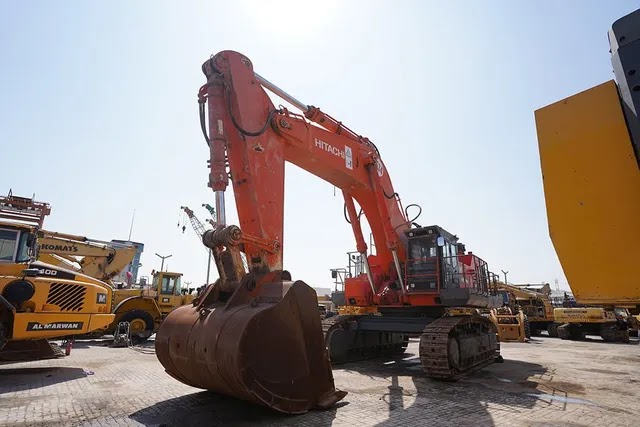
The Powerhouse of the Project: A Guide to Finding the Ideal 80 Ton Excavator for Sale in the UAE


The skyline of the United Arab Emirates is a testament to ambition and engineering prowess. From the soaring towers of Dubai to the sprawling industrial zones of Abu Dhabi, the scale of construction is simply breathtaking. To build a nation at this pace, you need more than just vision—you need immense power. In the world of heavy machinery for sale, few machines embody that power as fully as the 80-ton excavator for sale.

This isn't a machine for small tasks or light-duty work; it's a true powerhouse designed for bulk excavation, massive earthmoving, and the kind of heavy lifting that redefines a landscape. For a company looking to acquire a piece of this magnitude, the decision is a monumental one. It’s a strategic investment that can determine your ability to compete for, and successfully execute, the largest projects in the region. Navigating the market for an 80 ton excavator for sale in the UAE requires a meticulous approach, a deep understanding of your needs, and a keen eye for what truly matters in this high-stakes environment.

The Role of an 80-Ton Excavator in the UAE's Projects

An 80-ton excavator is a specialized machine in the heavy equipment for sale class. Its size, power, and capacity are designed for the most demanding jobs. In the context of the UAE, its primary applications include:

  • Large-Scale Earthmoving: For projects like new residential communities, industrial parks, or major infrastructure developments, these excavators can move thousands of cubic meters of earth per day.

  • Quarrying and Mining: In the country's quarrying sector, they are the go-to machine for breaking and loading rock onto large articulated dump trucks.

  • Massive Foundation Work: When a skyscraper or a large structure requires a deep, wide foundation, an 80-ton excavator provides the speed and power to get the job done efficiently.

  • Infrastructure: Projects such as building new highways, bridges, and dams rely on these excavators for bulk excavation and material handling.

In a market where time is money and projects are measured in billions of dollars, the efficiency and reliability of an 80 ton excavator for sale are non-negotiable.


The Core Decision-Making Factors

Before you start searching online or visiting dealerships, you must first define your needs. This is the single most important step in the entire process.

1. Define Your Project's Needs

  • Primary Application: Will the machine primarily be used for rock breaking and digging in quarries, or for loading material onto trucks on a civil construction site? This will influence the type of bucket, boom configuration, and hydraulic power you need.

  • Site Conditions: The UAE's climate and terrain are unique. The heat and dust put immense stress on a machine. You need to ensure the excavator has a robust cooling system and advanced filtration to handle these conditions.

  • Reach and Depth: Do you need to dig to a specific depth or reach over an obstacle? The machine's boom and stick configuration must be a perfect match for your project's specifications.

2. New vs. Used

For a machine of this size and cost, the choice between new and used is a major financial decision.

  • Buying New: A new 80 ton excavator for sale comes with a full factory warranty, the latest technology, and the assurance of peak performance. This is a great choice for companies that need guaranteed uptime and can afford the high initial capital investment.

  • Buying Used: A well-maintained used excavator can be a smart, cost-effective option, freeing up capital for other business needs. The UAE market, with its fast-paced project cycles, has a good supply of relatively young, used equipment. However, a used purchase requires a thorough inspection.


Vetting the Machine: The Inspection and Technical Checklist

If you choose the used route, a meticulous inspection is non-negotiable. This is your insurance against future, costly breakdowns.

  • The Engine and Hydraulics: These are the heart and soul of the machine. Check for any oil, fuel, or hydraulic fluid leaks. Start the engine and listen for any unusual noises. Test the hydraulic system by operating the boom, stick, and bucket through their full range of motion. The movements should be smooth and consistent, without any jerking or hesitation.

  • The Undercarriage: On a crawler excavator, the undercarriage is one of the most expensive components to replace. Inspect the tracks, rollers, idlers, and sprockets for excessive wear. Ask for a detailed report on the undercarriage's remaining life.

  • The Paper Trail: A machine's history is just as important as its current condition. Ask for the full service history and maintenance records. This will show you if the previous owner followed the manufacturer's recommended service intervals. Crucially, verify the hours on the hour meter to ensure it aligns with the machine's age and condition.


The UAE Market-Specific Considerations

The UAE's unique business environment requires you to think beyond the standard checklist.

  • Local Support and Parts Availability: In a country where projects never stop, downtime is a disaster. You must choose a brand with a strong local presence, a well-established dealer network, and a readily available stock of spare parts. Brands like Caterpillar, Komatsu, Volvo, and Kobelco have a strong foothold in the region for this very reason.

  • Reputation and Resale Value: In the UAE, brand reputation matters. A machine from a trusted brand not only gives you peace of mind but also commands a higher resale value when you decide to sell or upgrade in the future.

  • Technology and Operator Comfort: Modern 80-ton excavators come with advanced features like GPS, telematics, and intuitive control systems. These features not only boost productivity but also improve operator comfort and safety, which is crucial for retaining skilled labor in a competitive market.

Purchasing an 80 ton excavator for sale in the UAE is a major strategic decision. It requires a clear understanding of your project needs, a meticulous inspection of the machine, and a commitment to partnering with a supplier who can provide the necessary local support. By following this guide, you can make a confident and informed choice that will empower your business to tackle the biggest projects and build a legacy of excellence in the region.


A Guide to Finding the Ideal Used Skid Steer Loader for Sale


The skid steer loader is often called the "Swiss Army knife" of construction, landscaping, and agriculture. Its compact size, exceptional maneuverability, and endless array of attachments make it a go-to machine for everything from digging and grading to snow removal and demolition. For a new company or a contractor on a tight budget, the idea of owning such a versatile machine is incredibly appealing. This is where the market for a used skid steer loader for sale comes in, offering a strategic, cost-effective, and smart way to acquire a vital piece of equipment.

However, buying used isn't a simple transaction. It requires a keen eye for detail, an understanding of the machine's anatomy, and a commitment to looking beyond a low price. A well-chosen used skid steer can be a long-term asset that drives your business forward, while a poorly chosen one can quickly become a financial black hole of repairs and downtime. This guide will help you navigate the process, ensuring you find the perfect partner for your projects.

Step 1: The First Decision - Wheeled vs. Tracked

Before you even start looking at specific models, you must make a fundamental decision: do you need a wheeled or a tracked machine? Your choice will depend entirely on the type of work you do and the terrain you'll be working on.

  • Wheeled Skid Steer Loaders: These are the classic skid steers you see everywhere. They are generally faster and more agile on hard, flat surfaces like concrete, asphalt, or compacted dirt. Their tires are also cheaper to replace than tracks. They are ideal for roadwork, warehousing, and general construction in urban areas.

  • Tracked Skid Steer Loaders (Compact Track Loaders): These machines have continuous rubber tracks instead of wheels. They are designed for superior traction and stability on soft, muddy, or uneven ground. They excel at grading, excavation, and working on slopes. The tracks also distribute the machine's weight over a larger area, reducing ground pressure and minimizing damage to sensitive surfaces like lawns.

There is no "better" option, only the right one for your specific needs. Knowing which one you need will immediately narrow your search for a used skid steer loader for sale.

Step 2: The Core of Your Inspection - What to Look For

This is the most critical part of the buying process. You must conduct a thorough physical and operational inspection. Don't be afraid to get your hands dirty.

The Engine and Powertrain

The engine is the heart of the machine.

  • Start it Up: Listen for any strange noises, such as knocking or grinding. It should start smoothly and idle consistently.

  • Check the Exhaust: Look for excessive smoke. Black smoke can indicate a fuel issue, while blue or white smoke can signal worn engine components.

  • Inspect for Leaks: Look for any signs of oil, fuel, or coolant leaks around the engine and under the machine. Puddles or dark spots on the ground are a major red flag.

The Hydraulics

The hydraulic system is the brain and muscles of the skid steer, powering everything from the boom to the attachments.

  • Check Hoses and Cylinders: Inspect all hydraulic hoses for cracks, fraying, or soft spots. Look at the hydraulic cylinders on the lift arms and bucket for rust, scratches, or leaks.

  • Test the Controls: Operate the machine and put it through its paces. Lift the boom to full height and see if it drifts or sinks. Check the auxiliary hydraulics by running an attachment (if one is available). All movements should be smooth and responsive.

The Frame and Lift Arms

  • Look for Cracks: A skid steer is built to be tough, but a machine that has been overworked or abused will show it. Inspect the frame and the lift arms, particularly around the weld points and pivot pins, for any signs of cracks or previous repairs. Cracks can be a sign of major structural stress and a deal-breaker.

  • Check the Quick Attach: Ensure the quick attach mechanism, which holds the bucket or other attachments, is in good working order and not overly worn.

The Undercarriage (for Tracked Machines)

This is the most expensive component to replace on a tracked skid steer. A thorough inspection is a must.

  • Look at the Tracks: Check for deep cuts, tears, or excessive wear.

  • Inspect Rollers and Sprockets: Look at the rollers and drive sprockets for worn-out teeth or flat spots. Excessive wear here can be an indication of high operating hours or poor maintenance.

Step 3: Beyond the Machine - The Paper Trail and The Seller

The machine itself is only half the story. The other half is its history, which is written in its documents and with its seller.

  • Service Records: This is your most valuable tool. A detailed maintenance log with regular fluid changes, filter replacements, and any major repairs is a clear sign of a well-cared-for machine. A seller who can provide this documentation is one you can trust.

  • Operating Hours: This is the machine's odometer. It's a key indicator of its life and remaining service. Verify the hours and compare them to the machine's overall condition. Be cautious of a machine that looks old but has suspiciously low hours.

  • Choose a Reputable Seller: The market for a used skid steer loader for sale includes everything from private sellers to large dealerships. A reputable dealer offers a layer of security. They often have a professional inspection report, offer a limited warranty, and have a reputation to uphold. A private seller might offer a lower price, but you'll be on your own if something goes wrong.

The Smart Financial Move: Cost vs. Value

Ultimately, buying a used skid steer is a business decision. Don't be fooled by a low price. A cheap machine with hidden problems will end up costing you far more in repairs and downtime. Think about the total cost of ownership. A slightly more expensive machine that is well-maintained and from a trusted seller will have lower operational costs, better reliability, and a higher resale value when you're ready to upgrade.

A used skid steer loader for sale can be the perfect addition to your fleet. By taking a strategic approach, doing your homework, and carefully inspecting the machine and its history, you can find a versatile and reliable partner that will help your business grow and thrive.


Tuesday, February 18, 2025

Basics of Concrete Mixers: Everything You Need to Know

 Concrete mixers for your project. Learn types, features, and tips to choose the right one for efficient mixing.

A CIFA concrete Mixer Truck 


Concrete is the backbone of modern construction, and concrete mixers play a crucial role in its production. Whether you're building roads, bridges, or residential structures, a concrete mixer ensures a consistent and high-quality mix for the job. Understanding the different types of concrete mixers, their components, and their applications can help contractors, engineers, and site managers make informed decisions.

In this guide, we'll explore the basics of concrete mixers, their working principles, and how to choose the right one for your project.


What Are Concrete Mixers?

A concrete mixer is a machine that combines cement, aggregates (sand or gravel), and water to create concrete. The process ensures uniform mixing, preventing inconsistencies that can weaken the final structure.

Concrete mixing can be done manually, but concrete mixers significantly improve efficiency, reduce labor costs, and enhance the overall quality of the mix.


Types of Concrete Mixers

Different types of concrete mixers are used depending on the scale of the project and the required concrete output. The most common ones include:

1. Batch Mixers

Batch mixers mix concrete in batches and are the most commonly used in construction projects. These can be further classified into:

a) Drum Mixers

Drum mixers consist of a rotating drum that mixes the concrete. The main types include:

Tilting Drum Mixers – The drum tilts forward to discharge the mixed concrete. Ideal for small to medium construction sites.

Non-Tilting Drum Mixers – The drum remains horizontal, and a chute is used to discharge the concrete. These are suitable for continuous mixing.

Reversing Drum Mixers – The drum rotates in one direction for mixing and reverses for discharging. Used in larger construction projects.

b) Pan Mixers

Pan mixers have a stationary drum with a rotating set of blades inside. These are excellent for high-quality and uniform mixing, often used in precast concrete manufacturing.

2. Continuous Mixers

Continuous mixers are used in large-scale construction where concrete needs to be supplied continuously. Instead of mixing in batches, these mixers continuously mix and discharge concrete, making them ideal for large infrastructure projects like tunnels, bridges, and highways.


Key Components of a Concrete Mixer

Every concrete mixer consists of essential components that ensure a smooth mixing process:

1. Mixing Drum or Pan

The drum or pan holds the concrete mixture and rotates to ensure uniform consistency.

2. Mixing Blades or Arms

Inside the drum or pan, blades or arms continuously mix the cement, water, and aggregates.

3. Power Source

Concrete mixers can be powered by:

Diesel Engines – Ideal for outdoor and remote construction sites.

Electric Motors – Commonly used for indoor projects and small-scale construction.

4. Discharge Mechanism

The mechanism used to empty the mixed concrete, such as:

Tilting the drum for gravity discharge.

Reversing drum rotation for controlled pouring.


How Concrete Mixers Work

The process of using a concrete mixer is straightforward but must be done correctly for the best results.

Step 1: Loading the Materials

Cement, sand, gravel, and water are added into the drum or pan in the correct ratio.

For batch mixers, all materials are loaded before starting.

For continuous mixers, materials are fed continuously.

Step 2: Mixing Process

The drum rotates, ensuring the cement, aggregates, and water mix thoroughly.

Mixing time varies depending on the type of mixer and concrete consistency required.

Step 3: Discharging the Concrete

Once mixed, the concrete is discharged using gravity, tilting, or reversing mechanisms.

The concrete is then transported to the required site using wheelbarrows, concrete pumps, or trucks.


Choosing the Right Concrete Mixer for Your Project

Selecting the best concrete mixer depends on several factors:

1. Project Size

Small-scale projects (patios, driveways, sidewalks) – Use portable drum mixers.

Medium-scale projects (commercial buildings, parking lots) – Use tilting drum or reversing drum mixers.

Large-scale projects (bridges, highways, large structures) – Use continuous mixers or truck-mounted concrete mixers.

2. Mobility and Portability

Stationary mixers are suitable for fixed locations like batch plants.

Portable mixers are ideal for on-site use and easy transportation.

3. Power Supply

Electric mixers for small projects and indoor use.

Diesel-powered mixers for remote sites without electricity.


Concrete Mixer Maintenance and Best Practices

To ensure long-term efficiency, regular maintenance of concrete mixers is essential.

1. Daily Cleaning

Clean the drum or pan after every use to prevent hardened concrete buildup.

Use water and cleaning agents to remove residual cement.

2. Lubrication

Lubricate moving parts like bearings, gears, and shafts to prevent wear and tear.

3. Inspecting Blades and Liners

Check for wear and damage on mixing blades and replace if necessary.

4. Checking Engine and Power System

Ensure diesel engines are properly maintained with regular oil changes.

Inspect electrical components for loose wiring or faults.

5. Preventing Overloading

Avoid exceeding the recommended capacity of the mixer to prevent strain on the motor and mixing blades.


Understanding concrete mixers is essential for choosing the right machine for your project. Whether you're a contractor, builder, or DIY enthusiast, the right concrete mixer ensures high-quality concrete production, improving efficiency and durability in construction.

Ideal Used Excavator for Sale for Small Projects

 Finding the Ideal Used Excavator for Sale for Small Projects


A Hitachi used excavator for sale from Al Marwan


When it comes to small construction, landscaping, or utility projects, having the right excavator can make all the difference. Buying a used excavator for sale is a smart investment that provides cost savings without sacrificing performance. However, choosing the right machine requires careful consideration of size, condition, capabilities, and budget.

In this guide, we'll break down everything you need to know before purchasing a used excavator for sale, ensuring you get the best value for your project.


Why Choose a Used Excavator for Small Projects?

Purchasing a used excavator is a budget-friendly solution for contractors, small business owners, and individuals who require reliable earthmoving equipment. Here are the main benefits:

  • Lower Cost – Used excavators are significantly cheaper than brand-new ones, allowing buyers to stretch their budget further.
  • Proven Reliability – A well-maintained excavator with a solid service history can perform just as efficiently as a new one.
  • Depreciation Savings – New machines lose value quickly, while used models retain more of their resale value over time.
  • Availability – Unlike new models that may have long wait times, used excavators are readily available.


Factors to Consider When Buying a Used Excavator for Sale

Choosing the right used excavator for sale depends on several key factors. Small-scale projects often require compact or mini excavators, but other considerations should also come into play.

1. Excavator Size and Weight

For small projects, a mini or compact excavator is the best choice. These machines typically range from 1 to 8 tons, making them ideal for:

  • Residential construction
  • Landscaping and trenching
  • Utility and pipeline work
  • Farm and rural projects
  • Indoor demolition and tight-space operations

Top Used Mini Excavators for Small Projects:

  • Kobelco SK55SRX-6
  • CAT 303E Mini Excavator
  • Komatsu PC78US-6E0
  • Yuchai YC18SR

These models offer the perfect balance of power and maneuverability for small-scale work.


2. Hydraulic Power and Attachments

The hydraulic system is the heart of any excavator. For small projects, ensure the machine has smooth hydraulic operation and supports attachments like:

  • Buckets (standard, trenching, grading)
  • Augers (for drilling holes)
  • Hydraulic hammers (for breaking concrete or rocks)
  • Thumbs (for material handling)

A used excavator for sale should have leak-free hydraulic lines and well-maintained cylinders. Always check for wear and tear in the hoses, pumps, and motors.


3. Condition and Maintenance History

When buying any used heavy equipment, inspection is critical. Here’s what to check before purchasing a used excavator:

  • Undercarriage Wear – Inspect the tracks, rollers, sprockets, and idlers.
  • Engine Condition – Look for excessive smoke, leaks, or odd noises.
  • Boom and Arm – Ensure no visible cracks, dents, or excessive play in the joints.
  • Hydraulics – Check for smooth operation and no fluid leaks.
  • Service Records – A well-documented maintenance history indicates proper care.

Buying from a trusted seller with a thorough inspection process guarantees a reliable used excavator for sale.


4. Brand and Model Reputation

Certain excavator brands have a strong reputation for durability, resale value, and reliability. When considering a used machine, these brands stand out for small projects:

  • Kobelco – Known for fuel efficiency and durability.
  • Caterpillar (CAT) – Offers powerful machines with advanced hydraulics.
  • Komatsu – Provides smooth operation and long-lasting components.
  • Yuchai – Affordable and effective for light-duty applications.

Reliable brands ensure higher resale value and easier access to parts and service.


5. Operating Hours

An excavator’s lifespan is measured in operating hours. Generally:

  • Less than 5,000 hours – Excellent condition with plenty of life left.
  • 5,000 - 10,000 hours – Still reliable with good maintenance.
  • Over 10,000 hours – High wear and may require expensive repairs.

A low-hour used excavator for sale is always a safer investment.

Where to Find a Reliable Used Excavator for Sale

Finding a trustworthy seller ensures a quality used excavator. Consider the following options:

Reputable Machinery Dealers

  • Certified sellers provide fully inspected and serviced excavators.
  • Example: Al Marwan Heavy Machinery offers high-quality used excavators.

Online Machinery Marketplaces

  • Sites specializing in heavy equipment sales feature listings from dealers and private sellers.

Heavy Equipment Auctions

  • Auctions offer competitive prices but require careful pre-bidding inspections.

Local Construction Companies

  • Some firms sell their well-maintained fleet equipment after project completion.


Best Practices for Buying a Used Excavator

Before finalizing a purchase, follow these steps:

Set a Budget – Consider both upfront costs and future maintenance expenses.
Request Inspection Reports – Avoid surprises by getting detailed condition assessments.
Test the Machine – Operate the excavator to check for smooth controls and responsiveness.
Compare Prices – Research similar listings to ensure a fair deal.
Negotiate the Best Price – Sellers may offer discounts or include attachments to sweeten the deal.

The Right Investment

A used excavator for sale is a smart investment for small projects, offering cost savings, efficiency, and reliability. Whether you need a mini excavator for landscaping, trenching, or demolition, choosing the right size, brand, and condition ensures optimal performance.

By following this guide, you’ll be well-prepared to find the ideal used excavator that meets your project’s needs without breaking the bank.

Monday, February 17, 2025

Finding A New Piling Rig for Sale

 Finding the Right New Piling Rig for Sale: A Complete Guide

piling rig


The Growing Demand for Piling Rigs

The construction industry is evolving rapidly, and with it, the need for efficient and powerful foundation equipment is rising. Whether you're working on high-rise buildings, bridges, or deep foundation projects, a new piling rig for sale can be the key to improving efficiency and precision. Modern piling rigs offer advanced engineering, automation, and fuel efficiency, making them a valuable investment for contractors and construction firms worldwide.

Choosing the right piling rig isn’t just about finding the biggest or most powerful machine; it’s about selecting the right model for your project’s needs. With various specifications, brands, and features available, understanding what to look for in a new piling rig for sale is essential.

What Makes a Piling Rig Essential?

Piling rigs are fundamental for deep foundation projects, where strong, stable groundwork is required to support heavy structures. These machines are used to drive piles—concrete, steel, or wooden columns—into the ground to provide foundational support. Unlike traditional excavation methods, piling rigs ensure greater stability, less soil displacement, and improved load-bearing capacity.

In infrastructure projects such as bridge construction, high-rise buildings, and industrial facilities, the role of a piling rig cannot be overstated. With advancements in technology, modern piling rigs come equipped with improved drilling speeds, enhanced control systems, and eco-friendly power options, making them both efficient and environmentally sustainable.

Choosing the Right Piling Rig

Not all piling rigs are built the same, and finding the right one requires considering key factors such as project type, soil conditions, and required depth capacity. Before committing to a new piling rig for sale, understanding these elements is crucial.

Project Requirements

The first step in selecting the right piling rig is defining your project requirements. If you're working on urban development, a smaller, more maneuverable rig may be necessary for tight spaces. For large-scale infrastructure projects, a high-capacity, heavy-duty rig may be the better choice.

The depth and diameter of piles required for your project also play a role in determining the type of rig you need. Some rigs specialize in rotary drilling, while others are built for driven piles. Understanding whether your project involves soft or hard ground conditions will help determine whether you need a high-torque rig or one designed for rapid pile driving.

Key Features to Look for in a New Piling Rig

Modern piling rigs are designed with efficiency and sustainability in mind. When searching for a new piling rig for sale, these features can make a significant difference in performance and long-term operational costs.

1. Engine Power and Fuel Efficiency

A powerful engine ensures that the rig can handle heavy-duty operations, but fuel efficiency is just as important. Manufacturers have introduced hybrid and electric models that reduce emissions and fuel consumption without compromising power. Investing in a rig with optimal fuel efficiency can lead to significant cost savings in the long run.

2. Advanced Control Systems

Technology has changed the way piling rigs operate. Many new models come with smart control systems that allow for precision drilling, remote monitoring, and automated functions. These features reduce human error, improve accuracy, and enhance overall safety on-site.

3. Stability and Maneuverability

A piling rig’s stability determines how well it can perform on different terrains. Some rigs come equipped with extendable tracks for better ground adaptability, while others have self-leveling features to ensure steady performance on uneven surfaces. Depending on your job site, choosing a rig with enhanced stability can prevent delays and operational risks.

4. Noise and Vibration Control

Urban and residential projects require rigs with noise and vibration control to minimize disruption. Manufacturers now offer models with advanced damping systems to reduce impact and noise pollution. If you’re working in city environments, this is a crucial consideration to prevent complaints and adhere to local regulations.

5. Attachment Compatibility

Some piling rigs are designed to work with multiple attachments, allowing for various types of piling methods such as rotary drilling, impact driving, and CFA (Continuous Flight Auger) piling. Investing in a rig that supports interchangeable attachments can provide greater versatility for different project requirements.

Why Investing in a New Piling Rig is a Smart Choice

While used piling rigs may seem like a cost-effective alternative, a new piling rig for sale offers advantages that outweigh the initial investment. With a new model, you benefit from the latest engineering innovations, improved safety features, and extended warranties, ensuring your machine is optimized for long-term productivity.

A new rig also minimizes downtime due to mechanical failures, which is a common issue with older models. Manufacturers provide updated components, software integrations, and technical support, helping contractors meet project deadlines efficiently.

Additionally, financing options for new piling rigs have become more accessible, making it easier for companies to acquire state-of-the-art equipment without a large upfront expenditure. Many manufacturers offer lease-to-own options, allowing firms to scale operations without financial strain.

Finding the Best Deals on New Piling Rigs for Sale

With the rising demand for foundation equipment, the market for piling rigs is highly competitive. To find the best deals, consider these steps:

  1. Compare Manufacturers: Leading brands such as Bauer, Liebherr, and Soilmec offer high-quality piling rigs with advanced technology. Researching these brands can help you identify the right model for your needs.

  2. Check Dealer Reputation: Buying from a trusted dealer ensures that you get genuine products with warranty coverage and after-sales support. Look for dealers with positive reviews and strong customer service records.

  3. Request a Demo: Many dealers and manufacturers offer live demonstrations to showcase the rig’s capabilities. Taking advantage of this option allows you to see the machine in action before making a final decision.

  4. Evaluate Financing Plans: If purchasing outright isn’t an option, explore financing programs offered by manufacturers and third-party financial institutions to spread out the cost over time.

Get the Right Piling Rig for Your Business

Purchasing a new piling rig for sale is a significant investment, but with the right approach, it can greatly enhance your construction capabilities. From selecting the best model to ensuring long-term operational efficiency, making an informed decision will help you achieve successful project outcomes.

With technology advancing and sustainability becoming a priority in construction, now is the perfect time to invest in a modern piling rig that delivers high performance, efficiency, and reliability. Whether you’re tackling commercial, residential, or infrastructure projects, a new piling rig for sale can take your business to the next level.

Start your search today and find the perfect machine that meets your project demands.

Sunday, February 16, 2025

How Heavy Equipment Rental Works

A rigid dump truck one of the popular heavy equipment rental options


For many construction companies, heavy equipment rental is the best way to access top-tier machinery without the massive upfront costs of buying new equipment. Whether you need an excavator for a short-term project or a fleet of bulldozers for months, renting offers flexibility, affordability, and reduced maintenance concerns. But how does the process work? Let's break it down step by step.

Why Choose Heavy Equipment Rental?

Cost-Effective Solution

Buying construction equipment comes with high upfront costs, insurance, and maintenance expenses. Renting eliminates these burdens and allows companies to allocate their budgets more effectively.

Access to the Latest Models

Rental companies offer modern, well-maintained equipment with the latest technology and fuel efficiency, helping you stay competitive without making a long-term investment.

Flexibility for Different Projects

Not all projects require the same machines. Renting gives contractors the ability to choose different equipment as needed, ensuring they always have the right tool for the job.

Maintenance and Repairs Included

Most heavy equipment rental providers include routine maintenance and repairs in the rental package, saving you time and money.

How the Heavy Equipment Rental Process Works

Step 1: Identifying Your Equipment Needs

Before renting, determine:

  • What type of equipment you need (e.g., excavators, bulldozers, loaders, cranes).
  • The duration of your project.
  • The job site conditions (terrain, weather, etc.).
  • Specific features required, such as GPS tracking, telematics, or hybrid options.

Step 2: Finding a Reliable Rental Provider

Look for a rental company with:

  • A wide selection of heavy equipment rental options.
  • Transparent pricing and flexible rental terms.
  • Well-maintained and inspected machinery.
  • Strong customer support and maintenance services.

Step 3: Choosing Rental Terms

Rental agreements vary, but they typically fall into these categories:

  • Short-Term Rentals (daily or weekly) – Ideal for quick jobs.
  • Long-Term Rentals (monthly or yearly) – Best for large-scale projects.
  • Rent-to-Own – Allows you to apply rental payments toward purchasing the machine if needed.

Step 4: Delivery and Setup

Once the contract is signed:

  • The rental company arranges equipment delivery to your job site.
  • Some providers offer on-site training to ensure safe operation.
  • You receive a checklist for pre-use inspections to confirm everything is in working order.

Step 5: Using the Equipment Efficiently

To get the most out of your rental:

  • Ensure operators are trained and follow safety guidelines.
  • Monitor fuel consumption and operating hours.
  • Use telematics (if available) to track performance and efficiency.

Step 6: Returning the Equipment

  • Inspect the machine before returning it.
  • Ensure it is clean and in the agreed condition to avoid extra fees.
  • Some companies charge for excess wear and tear, so follow usage recommendations.

What to Consider When Renting Heavy Equipment

Rental Costs & Hidden Fees

Rental rates depend on:

  • Machine type and size.
  • Rental duration.
  • Extra services (delivery, insurance, operator training).
  • Fuel and maintenance agreements.

Equipment Availability

Plan ahead, especially for peak seasons, as heavy equipment rental demand can be high.

Insurance Requirements

Most rental companies require renters to have liability insurance in case of damages or accidents.

Maintenance and Downtime

Understand who is responsible for routine maintenance and repairs to avoid unexpected delays.

Top Heavy Equipment for Rent

Excavators: Used for digging, trenching, and demolition.

Bulldozers: Ideal for pushing heavy materials and leveling ground.

Cranes: Necessary for lifting and placing materials at height.

Loaders: Great for transporting materials across job sites.

Compactors: Essential for soil and asphalt compaction in road construction.

Renting vs. Buying The Smarter Choice?

For many businesses, heavy equipment rental offers flexibility, reduced costs, and access to the latest technology without long-term commitments. By understanding the rental process and choosing a trusted provider, contractors can keep projects on schedule and within budget. Need equipment for your next project? Start exploring rental options today!

Buying a Used Excavator For Sale

A CAT used excavator for sale on display


Smart Buying for Big Savings

So, you're in the market for a used excavator for sale? Smart move. Buying second-hand can save a fortune compared to new models, but only if you know what you’re doing. Whether it's for construction, landscaping, or demolition, a well-maintained excavator can deliver power, precision, and reliability—without the hefty price tag. But let’s be real, not every deal is as good as it seems. Here’s what you need to check before handing over your hard-earned cash.

Why Go for a Used Excavator?

  1. Cost Savings: A brand-new excavator can set you back six figures. Used models? A fraction of that price.
  2. Lower Depreciation: Unlike new machines, used excavators don’t lose value the moment they hit the dirt.
  3. Proven Performance: A well-maintained machine with a solid service history can be just as reliable as a new one.

The Checklist: What to Inspect Before Buying

1. Hours on the Meter

Excavators are built to last, but they don’t run forever. Generally, anything under 5,000 hours is considered low usage, but over 10,000 hours means you need to dig deeper (pun intended) into its maintenance records.

2. Engine & Hydraulic System

  • Start it up. Listen for odd noises—knocks, rattles, excessive smoke? Red flags.
  • Check the hydraulic cylinders and hoses for leaks. Replacing them isn’t cheap.

3. Undercarriage Condition

  • Tracks, rollers, sprockets—they take a beating. Heavy wear means costly repairs down the road.
  • If the tracks are unevenly worn, the machine might have been used on rough terrain too often.

4. Boom, Stick, and Bucket

  • Look for cracks or weld marks. These indicate past repairs, and not all fixes are good ones.
  • Test the movement—is it smooth, or is there too much play? Sloppy movement = future headaches.

5. Cab & Controls

  • A worn-out seat, faded buttons, or a malfunctioning monitor? Signs of heavy use.
  • Test all functions. Electronics failing? Could be a minor fix—or a costly nightmare.

Where to Find the Best Deals

  1. Trusted Dealers – Buying from a reputable dealer means you get a properly inspected machine, and maybe even a warranty.
  2. Online Marketplaces – Auctions and listings can offer great deals, but always inspect before you buy.
  3. Rental Companies – Fleet machines are usually well-maintained and sold after a few years of service.

Bang For Your Buck

A used excavator can be a goldmine or a money pit—it all depends on how well you check it before purchase. Do your research, inspect thoroughly, and never rush a deal just because the price looks tempting.

Got a specific model in mind? Start looking in the right places and land yourself a machine that works as hard as you do!

Kobelco Excavators: The 2026 Guide to Performance and Sales in the UAE

In 2026, Kobelco excavator models continue to dominate the UAE construction and mining sectors, prized for their Japanese engineering, supe...